
Thyroid Cancer

Kabonib Cabozantinib 60 mg Tablets
Kabonib (Cabozantinib 60 mg Tablets) is a prescription medication used for the treatment of various types of cancer. Cabozantinib is a tyrosine kinase inhibitor that targets multiple pathways involved in tumor growth, angiogenesis, and metastasis, making it effective in inhibiting the progression of cancer.
Indications:
Kabonib is indicated for the treatment of:
- Advanced renal cell carcinoma (RCC)
- Hepatocellular carcinoma (HCC) in patients who have previously received sorafenib
- Medullary thyroid cancer (MTC)
How to Use:
- Take Kabonib exactly as prescribed by your healthcare provider.
- Swallow the tablet whole with a full glass of water.
- Do not crush, chew, or break the tablet.
- It should be taken on an empty stomach, at least 1 hour before or 2 hours after eating.
- Follow your doctor's instructions regarding dosage and duration of treatment.
Side Effects:
Common side effects of Kabonib may include:
- Diarrhea
- Fatigue
- Nausea
- Decreased appetite
- Hypertension (high blood pressure)
- Hand-foot syndrome (redness, swelling, and pain on the palms of the hands or the soles of the feet)
Precautions:
- Inform your healthcare provider about any existing medical conditions and medications you are taking.
- Regular monitoring of blood pressure and liver function tests may be required during treatment.
- Use effective contraception to avoid pregnancy while taking Kabonib, as it may harm an unborn baby.
- Kabonib is not recommended for use in breastfeeding women.
Storage:
- Store Kabonib tablets at room temperature between 20°C to 25°C (68°F to 77°F).
- Keep the tablets in their original container, tightly closed.
- Keep out of reach of children.
Disclaimer:
This product description is provided for informational purposes only and does not constitute medical advice. Always consult with a healthcare professional before starting any new medication.
₱38,000 ₱32,000
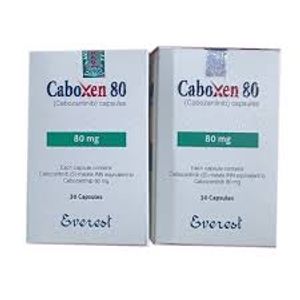
Caboxen Cabozantinib 80 mg Capsules
Caboxen (Cabozantinib 80 mg Capsules) is a highly effective treatment for advanced renal cell carcinoma (RCC) and hepatocellular carcinoma (HCC). As a tyrosine kinase inhibitor, Cabozantinib targets multiple pathways involved in tumor growth and angiogenesis, helping to slow the progression of cancer and shrink tumors. Our super specialty pharmacy provides Caboxen with personalized treatment plans and expert support to ensure the best possible outcomes for patients. Trust us for high-quality cancer care and comprehensive support throughout your treatment journey.
₱0